Understanding Hair Extensions: A 2026 Overview
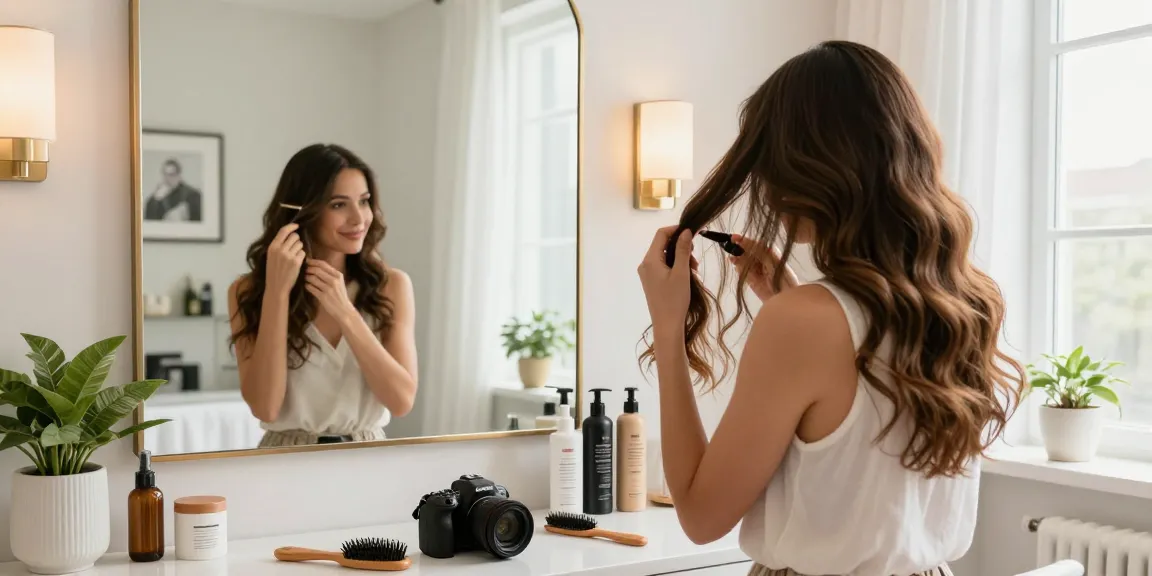
Hair extensions have surged in popularity as an effective means of enhancing personal style and transforming one’s look. As trends evolve, understanding the different types of hair extensions, their benefits, and how they integrate with various hair types is essential. With ample options available in the market, finding the perfect extension can elevate your hair game—whether you're looking for length, volume, or versatility. When exploring options, hair extensions can provide comprehensive insights into the best choices for your unique needs.
What Are Hair Extensions?
Hair extensions are strands of hair that can be added to natural hair to create a fuller or longer appearance. They are made from either synthetic materials or human hair, with the latter being the preferred choice for those seeking a more natural look. The extensions can be attached using various methods, depending on the intended style and the condition of the natural hair.
Types of Hair Extensions Available
There are several types of hair extensions to choose from, each with its own set of advantages and suitability for different hair types:
- Clip-In Extensions: These are temporary extensions that can be easily clipped in and out. Ideal for those who want flexibility in styling without a long-term commitment.
- Tape-In Extensions: These extensions are semi-permanent and are attached using a specially formulated adhesive tape. They lay flat against the head and can last several weeks.
- Sew-In Extensions: Often used with thicker hair, these extensions are sewn onto braids of natural hair. This method is more permanent but requires professional application.
- I-Tip and U-Tip Extensions: These extensions are bonded using keratin tips to the natural hair. They are discreet and can create a seamless look.
- Halo Extensions: A newer technology that involves a flexible wire that sits on the crown of the head, allowing the extensions to flow freely.
Benefits of Using Hair Extensions
The advantages of using hair extensions are numerous:
- Versatility: Change your look without making permanent alterations to your hair.
- Volume and Length: Instantly enhance your hair with added length and fullness.
- Protection: Extensions can protect your natural hair from heat styling and environmental damage.
Choosing the Right Hair Extensions for Your Hair Type
Selecting the right hair extensions can significantly impact their effectiveness and the overall look. It's essential to consider your hair texture, color, and health before making a decision.
Assessing Your Hair Texture and Needs
Understanding your hair type is crucial when selecting extensions. Fine hair may require lighter options such as clip-ins, while thicker hair might hold sew-in or tape-in extensions better. Consider the natural curl pattern and how well the extensions can blend with your hair.
Comparing Clip-In, Tape-In, and Sew-In Extensions
Each type of extension comes with its own pros and cons:
- Clip-Ins: Best for temporary changes; easy to use and gentle on hair.
- Tape-Ins: Ideal for a more semi-permanent solution but require a professional for application and removal.
- Sew-Ins: Provide a stronghold but can cause tension on natural hair if improperly installed.
Professional vs. DIY Applications
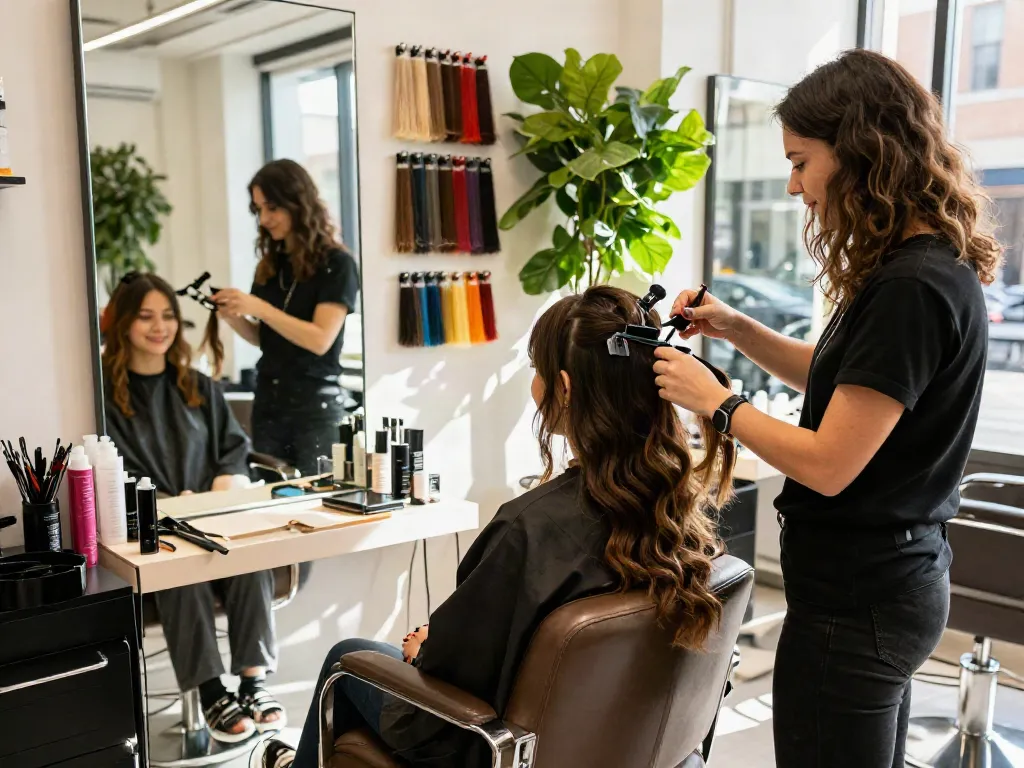
While DIY applications can be tempting for clip-in extensions, methods like tape-ins and sew-ins often require professional application for a seamless look and to minimize potential damage to natural hair. Professional stylists can assess your hair's condition and recommend the best application method.
Maintaining Your Hair Extensions for Longevity
Proper maintenance is key to prolonging the life of your hair extensions and ensuring they continue to look great.
Best Practices for Care and Maintenance
To keep your extensions looking their best, follow these care tips:
- Use sulfate-free shampoos to preserve the integrity of the extensions.
- Avoid heat styling tools as much as possible, or use a heat protectant when necessary.
- Gently detangle your hair daily to prevent knots and damage.
Common Mistakes to Avoid
Avoid the following mistakes to ensure your extensions last:
- Skipping regular washing and conditioning can lead to buildup and tangling.
- Using products not designed for extensions can decrease their lifespan.
- Sleeping with wet extensions can cause them to mat and tangle.
Product Recommendations for Hair Extensions
Invest in quality products specifically designed for hair extensions. Look for:
- Extension-friendly shampoos and conditioners.
- Leave-in conditioners and serums for added moisture.
- Silk or satin pillowcases to reduce friction while sleeping.
Styling Tips with Hair Extensions
Hair extensions can provide a variety of styling options, from everyday looks to more intricate hairstyles.
Creative Ways to Style Your Hair Extensions
Experiment with braids, updos, or loose waves to incorporate your extensions into your everyday look. Use hair ties that won’t snag your extensions, and try out various hair accessories to add flair.
Maximizing Volume and Length
When styling your hair extensions, consider the following:
- Layering extensions can create a more natural look.
- Teasing the roots can add volume and make extensions blend seamlessly.
- Using a curling wand can help style extensions to match your natural hair texture.
Integrating Hair Extensions into Everyday Looks
For daily wear, keep looks simple yet effective. Loose curls, straight styles, or half-up hairstyles work well with extensions and are easy to achieve.
Future Trends in Hair Extensions: What to Expect in 2026
The hair extension industry is ever-evolving, with innovations continuously shaping the market.
Innovations in Hair Extension Technology
Emerging technologies are making hair extensions more accessible and user-friendly. Look for:
- Smart extensions that can change color or style.
- Improved bonding techniques that reduce damage to natural hair.
Sustainable Practices in Hair Extension Production
As consumers become more environmentally conscious, manufacturers are beginning to focus on sustainable practices. Expect to see:
- Ethically sourced hair and biodegradable packaging.
- Transparent production methods ensuring fair labor practices.
Expert Insights on Industry Trends
Industry experts predict a rise in personalization, with extensions tailored to individual hair types, textures, and colors, enhancing the user's experience and satisfaction.
How long do hair extensions usually last?
Typically, with proper care, clip-in hair extensions can last 6-12 months, while tape-ins and sew-ins may last 3-6 months before needing replacement or repositioning.
Are hair extensions damaging to hair?
When applied correctly and cared for properly, hair extensions should not damage your natural hair. It's crucial to choose the right type and method suitable for your hair type.
What type of hair extension is best for me?
The best extension type depends on your lifestyle, hair type, and desired outcome. Consulting with a professional stylist can help you make an informed decision.
What is the average cost of hair extensions?
The cost of hair extensions varies widely based on the type, quality, and application method, ranging from $100 for clip-ins to over $1,000 for professionally applied sew-ins.
Can hair extensions be reused?
Many extensions, particularly clip-ins and high-quality tape-ins, can be reused multiple times with proper care and maintenance, making them a cost-effective solution.