
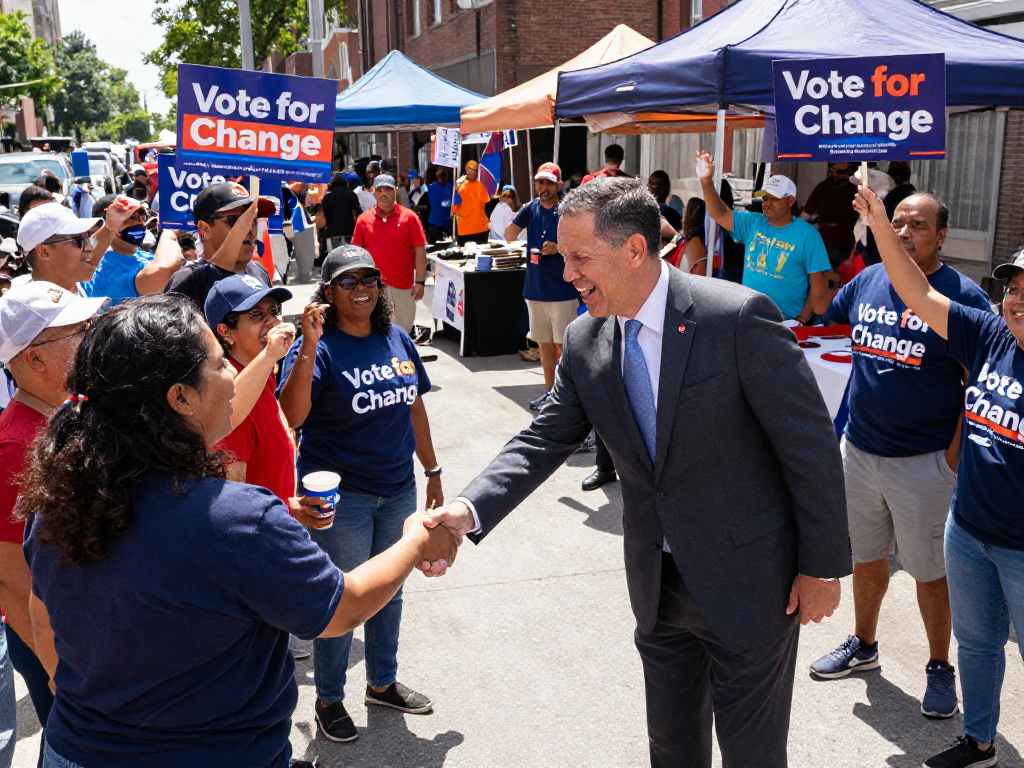
Understanding the Foundations of Mayoral Campaign Marketing
In the rapidly evolving landscape of political campaigns, the importance of a well-structured marketing strategy cannot be overstated. With each mayoral election cycle, political candidates must leverage data-driven insights to engage voters effectively. A solid grasp of voter data is the cornerstone of successful mayoral campaign marketing. By understanding who your voters are and what they care about, candidates can craft tailored messages that resonate on a personal level.
When exploring options, mayoral campaign marketing evolves around the insights gained from comprehensive voter files. These resources provide essential information that guides the entire campaign strategy, from outreach to messaging, ensuring that every dollar spent has maximum impact.
Importance of Voter Data in Campaigns
Voter data is more than just a collection of names and addresses; it’s a treasure trove of insights into the motivations, preferences, and behaviors of the electorate. Harnessing this data allows campaigns to identify key demographics, target specific audiences, and tailor their messages accordingly. By using up-to-date voter files, candidates can ensure their outreach efforts are both effective and efficient.
Identifying Key Demographics for Targeting
Not all voters are the same, and campaigns must be strategic in determining which demographics to target. This process involves analyzing various factors such as age, ethnicity, income level, and voting history. By understanding these characteristics, candidates can develop messaging that speaks directly to their audience's interests and concerns. For example:
- Young Voters: Focus on issues like education and job opportunities.
- Low-Income Individuals: Emphasize affordable housing and healthcare.
- Senior Citizens: Highlight healthcare services and community safety.
Setting Clear Campaign Goals and Objectives
Once a campaign understands its target demographics, the next step is to establish clear goals and objectives. Effective campaigns are driven by measurable outcomes, such as voter turnout rates, fundraising targets, and public engagement metrics. Defining success will guide every decision, ensuring the campaign's messages and strategies stay aligned with its overarching goals.
Effective Strategies for Mayoral Campaign Marketing
Utilizing Comprehensive Voter Files for Data-Driven Decisions
The foundation of any successful mayoral campaign lies in comprehensive voter data. Candidates can access complete voter files, which include every name, address, and phone number within their district for a starting rate of $1,000. This data is not only crucial for initial outreach but also for tailoring subsequent campaign messages based on the evolving needs and responses of voters.
Leveraging Digital Marketing for Wider Reach
In today’s digital age, leveraging online platforms is essential for reaching a broader audience. Social media campaigns, targeted advertisements, and engaging content are key components of a comprehensive digital strategy. By utilizing tools like political SEO, candidates can ensure their campaigns rank high in search results, making it easier for voters to find them and learn about their platforms.
Engaging Grassroots Movements and Local Supporters
Grassroots movements play a significant role in political campaigns. Engaging local supporters can create a powerful network of advocates who amplify the candidate’s message within the community. Strategies for grassroots engagement include:
- Organizing town hall meetings and community events.
- Establishing a volunteer network to help with canvassing and outreach.
- Utilizing social media to share stories and mobilize support.
Best Practices in Political SEO for Campaigns
Optimizing Candidate Websites for Search Visibility
A well-optimized campaign website is a vital asset. Candidates should ensure their site is user-friendly, mobile-responsive, and rich in relevant content that incorporates keywords related to their campaigns. This includes regularly updating blog posts, FAQs, and event pages to improve SEO and drive organic traffic.
Creating Engaging Content that Resonates with Voters
Content creation is more than just filling website pages; it’s about storytelling. Candidates should share their visions, experiences, and the issues they care about through compelling narratives. Videos, podcasts, and infographics can also enhance engagement, making the campaign's message more relatable and shareable.
Tracking SEO Performance Metrics during Campaigns
To measure the effectiveness of SEO efforts, campaigns should utilize analytics tools to track website traffic, user engagement, and conversion rates. This data can inform ongoing strategies and adjustments, ensuring the campaign remains agile and responsive to voter needs and feedback.
Case Studies of Successful Mayoral Campaigns
Analyzing Winning Strategies in Recent Elections
Examining recent successful mayoral campaigns can provide valuable insights into effective strategies. For instance, some campaigns have prioritized digital outreach over traditional methods, resulting in higher engagement rates among younger voters. Understanding these trends helps new candidates adapt their strategies based on proven successes.
Lessons from Campaigns with Innovative Marketing Approaches
Innovation is key in a competitive political landscape. Campaigns that incorporate elements like interactive social media engagement, virtual town halls, and personalized voter outreach have seen success. Learning from these innovative approaches can inspire new strategies for future campaigns.
Common Pitfalls and How to Avoid Them
No campaign is without its challenges. Common pitfalls include failing to adapt to changing voter sentiments or relying too heavily on outdated outreach methods. Campaigns should prioritize flexibility and responsiveness, regularly assessing their strategies to stay aligned with voter expectations.
Future Trends in Mayoral Campaign Marketing for 2026
The Rise of AI and Data Analytics in Campaign Strategy
As technology evolves, so too does the capacity for data analytics within political marketing. In 2026, we can expect campaigns to leverage AI to analyze voter data, predict behaviors, and develop personalized outreach strategies that speak directly to individual voter concerns.
Integrating Social Media Trends for Greater Engagement
Social media will remain a dominant force in campaign marketing. Future campaigns will need to adapt to emerging platforms and trends, using targeted content strategies to engage with voters in real-time. This includes utilizing live streaming for events and interactive content that encourages voter participation.
Preparing for Changing Voter Expectations and Behavior
Voter expectations continue to evolve, driven by societal shifts and new technologies. Candidates must stay attuned to these changes, ensuring their campaigns reflect the values and concerns of the electorate. This means proactive engagement and transparent communication regarding policy positions and campaign goals.
What Are the Key Insights from Recent Campaigns?
Recent campaign trends demonstrate that authenticity and relatability are critical for success. Voters today seek candidates who mirror their values and understand their challenges. This shift necessitates that campaigns adopt a more personal approach to communication and outreach.
How Can Data Help in Tailoring Campaign Messages?
Data-driven insights allow campaigns to refine their messaging continuously. By analyzing voter feedback and engagement metrics, candidates can adapt their strategies to address pressing community issues, ensuring their messages resonate effectively.
What Should New Candidates Focus on to Win Elections?
For new candidates, focusing on grassroots engagement and strong community ties is essential. Building local support through face-to-face interactions and consistent communication can create a loyal base that drives campaign momentum.
How Important Is Community Engagement in Local Campaigns?
Community engagement is the backbone of local campaigns. Candidates who invest time in understanding and addressing community needs are more likely to gain voter trust and support. Local events, volunteer programs, and open forums create pathways for meaningful interactions.
What Role Does Transparency Play in Campaign Marketing?
Transparency is critical for establishing credibility. Candidates must be open about their campaign funding, decision-making processes, and policy positions. A transparent approach fosters trust and can differentiate a candidate in a crowded field.