
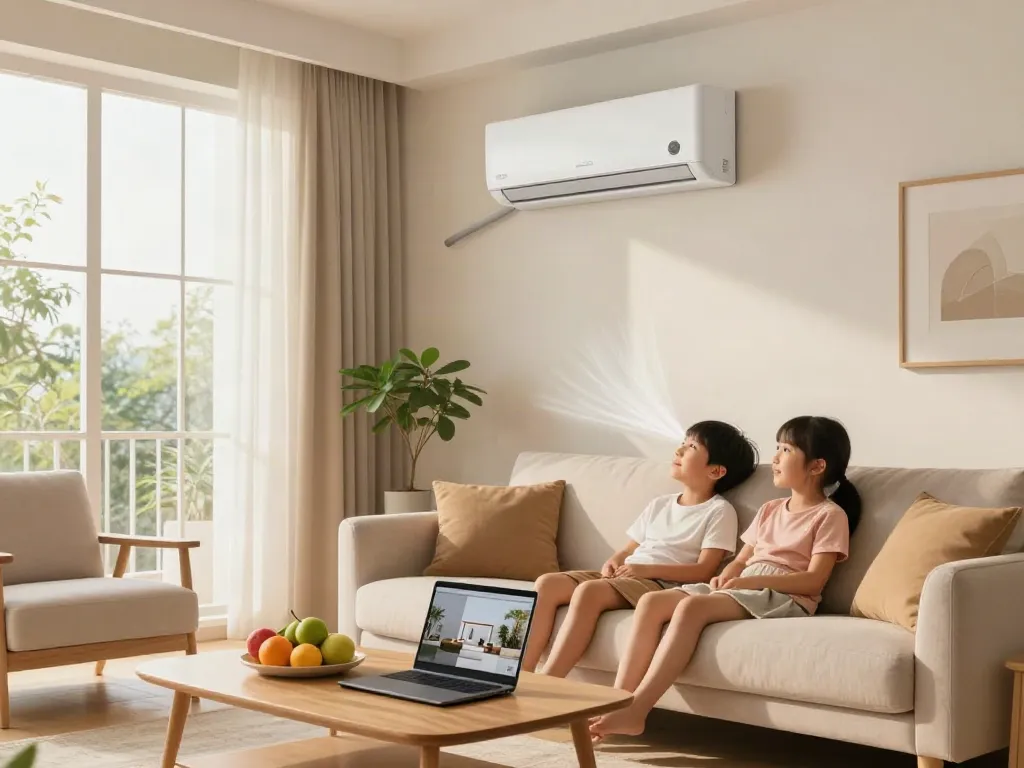
Understanding Mini Split Systems
In recent years, mini split air conditioning systems have gained popularity among homeowners for their efficiency and versatility. These systems provide an ideal solution for heating and cooling without the need for ductwork, making them a favorite in both new constructions and retrofit projects. When exploring options, mini split systems offer comprehensive insights into enhancing home comfort without compromising on energy efficiency. This article delves into the fundamental aspects of mini split systems, highlighting their functionality, key components, and advantages over traditional HVAC solutions.
What Is a Mini Split Air Conditioner?
A mini split air conditioner is a type of ductless HVAC system that consists of two primary components: an outdoor compressor and one or more indoor air-handling units. Unlike conventional air conditioning systems that rely on ducts to distribute cooled or heated air, mini splits operate independently, allowing for targeted temperature control in specific zones of a home. This makes them particularly advantageous for larger spaces where central air conditioning might be less effective.
Key Components and Functionality
The main components of a mini split system include:
- Outdoor Unit: Houses the compressor and condenser, which are essential for the cooling process.
- Indoor Unit: Disperses conditioned air into the room; available in various styles including wall-mounted, ceiling-mounted, or floor-mounted options.
- Refrigerant Line: Connects the outdoor and indoor units, facilitating the transfer of refrigerant that absorbs heat from the indoor air.
- Remote Control: Allows users to adjust settings conveniently, adding to the user-friendly nature of mini splits.
Mini splits work by absorbing heat from indoors and transferring it outside during the cooling process, and vice versa during heating. This efficiency is bolstered by the use of inverter technology, which allows the compressor to adjust its speed according to the cooling or heating demands of the room.
Advantages Over Traditional HVAC Systems
Mini split systems offer several advantages when compared to traditional heating and cooling methods:
- Energy Efficiency: Since mini splits do not require ducts, they eliminate duct losses, leading to higher energy efficiency and lower utility bills.
- Zoned Cooling/Heating: Homeowners can independently control the temperature in various rooms, providing comfort where it's needed most and reducing energy usage in unoccupied spaces.
- Installation Flexibility: Mini splits can be installed in places where ductwork is impractical, making them versatile for renovations and additions.
- Quieter Operation: The outdoor unit, which houses the compressor, operates outside, leading to a quieter indoor environment.
Current Trends in Mini Split Technology
The mini split market is continually evolving, with technological advancements shaping the future of heating and cooling solutions. Understanding these trends can help homeowners make informed decisions about their climate control options.
Innovative Features Introduced in 2026
As of 2026, manufacturers have introduced several innovative features in mini split systems:
- Smart Thermostats: Many modern mini splits come equipped with smart thermostats that allow for remote control via smartphones, enhancing convenience and energy management.
- Advanced Filtration Systems: Enhanced filtration options, including HEPA filters, provide improved air quality by reducing allergens and pollutants.
- Variable Speed Compressors: New models use variable speed technology to adjust the compressor’s output, optimizing energy consumption based on real-time conditions.
Energy Efficiency Standards and Their Importance
In 2026, national and regional energy efficiency standards for mini split systems have become more rigorous, reflecting a growing focus on sustainability. These standards ensure that new models operate at higher Seasonal Energy Efficiency Ratios (SEER), contributing to lower energy consumption and reduced environmental impact. Homeowners should look for systems with a SEER rating of 16 or higher for optimal efficiency.
Smart Features and Integration with Home Automation
The integration of mini split systems with home automation technology is a significant trend in 2026. Homeowners can now connect their mini splits to smart home systems, allowing for seamless control through voice commands and automated routines. This integration not only enhances convenience but also helps in optimizing energy use throughout the day.
Installation and Maintenance Best Practices
Ensuring the proper installation and maintenance of mini split systems is crucial for maximizing their performance and lifespan. Here's what homeowners need to know.
DIY vs. Professional Installation: What You Need to Know
While some homeowners may consider a DIY approach to installing mini splits, it is generally advisable to hire a professional for installation. A professional ensures that the system is correctly sized for the space, installed according to local codes, and operates at peak efficiency. Additionally, poorly installed systems can lead to refrigerant leaks, reduced efficiency, and higher energy costs.
Regular Maintenance Tips for Longevity
To prolong the life of a mini split system and ensure efficient operation, regular maintenance is essential. Homeowners should perform the following tasks at least once a year:
- Clean or replace the indoor unit filters to maintain airflow and air quality.
- Inspect the outdoor unit for debris and ensure the area around it is clear for proper airflow.
- Schedule an annual professional tune-up to check refrigerant levels and system performance.
Common Installation Mistakes to Avoid
For those opting for professional installation, it’s helpful to be aware of common mistakes that can cause issues down the line:
- Improper sizing of the system leading to inefficiency and discomfort.
- Incorrect placement of indoor units affecting airflow and temperature distribution.
- Neglecting to insulate refrigerant lines, which can lead to energy losses.
Cost Considerations and Budgeting
Understanding the financial implications of installing a mini split system is critical for homeowners planning this upgrade.
Average Costs and Pricing Trends for 2026
The cost of mini split systems varies widely based on capacity, brand, and features. As of 2026, homeowners can expect to pay between $3,000 and $5,000 for a complete system, including installation. It's important to obtain multiple quotes and consider the long-term savings associated with energy efficiency.
Financing Options for Homeowners
Many HVAC companies offer financing options to help homeowners manage the upfront costs of mini split systems. Additionally, some states provide incentives or rebates for installing energy-efficient systems, which can further offset expenses. Homeowners should explore these options to determine the best financial approach.
Value vs. Cost: Is a Mini Split Worth It?
While the initial investment in a mini split system may be higher than traditional HVAC systems, the long-term benefits often justify the cost. Homeowners can expect significant savings on energy bills, improved comfort levels, and increased home value. Evaluating these factors can help individuals decide if a mini split system is the right choice for their needs.
Future of Mini Split Systems
The mini split industry is poised for exciting advancements in the coming years, driven by technological innovation and consumer preferences.
Predictions for Mini Split Technology in 2027 and Beyond
Looking ahead to 2027, we can anticipate further developments in mini split technology, including:
- Greater energy efficiency standards driven by climate policies.
- More compact and aesthetically pleasing designs to suit modern home decor.
- Enhanced integration with renewable energy sources, such as solar panels, to further reduce energy dependence.
Environmental Impact and Sustainable Practices
As consumers become increasingly eco-conscious, the demand for sustainable HVAC solutions will rise. Mini split systems, known for their efficiency, can be integrated with green technologies to minimize environmental impacts. Manufacturers are exploring refrigerants with lower global warming potential (GWP) to align with sustainable practices.
Consumer Preferences: What Homeowners Want in the Future
In addition to energy efficiency, today's consumers are seeking customizable solutions. Homeowners increasingly prefer systems that offer flexible zoning capabilities, quiet operation, and smart features. Companies that listen to these demands are likely to lead the market in the future.
What are the disadvantages of a mini split?
While mini splits have many advantages, there are also some disadvantages to consider, such as higher upfront costs compared to traditional systems and the aesthetic impact of indoor units on home interiors. Additionally, regular maintenance is essential for optimal performance.
Are mini splits really worth it?
For many homeowners, the efficiency, comfort, and flexibility offered by mini splits make them a worthwhile investment. The ability to control temperatures in individual rooms results in both comfort and energy savings that can offset initial costs over time.
What does a mini split usually cost?
As mentioned earlier, the average cost of installing a mini split ranges from $3,000 to $5,000, depending on various factors. Homeowners should assess their specific needs and seek multiple estimates to better understand their financial commitment.
Do mini splits work in 100 degree weather?
Yes, mini split systems are capable of efficiently cooling spaces even in extreme heat. However, it's vital to choose a model with sufficient capacity for the specific environment to ensure peak performance during the hottest months.
How to choose the right mini split system?
When selecting a mini split system, consider the following factors:
- Size: Ensure the system is appropriately sized for the space.
- SEER Rating: Look for models with high energy efficiency ratings.
- Installation Options: Consider indoor unit styles that best fit your home’s aesthetics.
- Brand Reputation: Research brands for reliability and customer service.